
How Long Does Video Production Take? A Realistic Timeline Breakdown

How Long Will It Take to Produce a Marketing Video?
A realistic breakdown of timelines, what drives them, and the one thing that slows every project down.
It is one of the first questions almost every client asks, and it deserves a straight answer. The problem is that most production companies either give a vague non-answer or quote an unrealistically short timeline just to win the job.
Here is what we actually tell our clients: the timeline depends on the scope and ambition of what you are trying to create. For a smaller, straightforward project, we can typically shoot in one to two production days. From the initial discovery conversation through to final delivery, most projects run between four and six weeks.
But the number is only part of the answer. Understanding what happens during those weeks, and what can stretch them out, is what actually helps you plan.
What Happens at Each Stage
A professional video production process has five distinct phases. Each one serves a purpose, and skipping or rushing any of them shows up in the final product.
1. Discovery
This is where everything begins. A proper discovery session is not a formality. It is the foundation of every decision that follows. We get to know your business, your goals, your audience, and what success looks like for this project. The better we understand you here, the less time gets wasted later. Expect this to be a real conversation, not a quick intake form.
2. Proposal
After discovery, we come back with a clear proposal that outlines the scope, approach, timeline, and investment. This is where both sides align on what is being made, why, and what the expected outcome is. No surprises later means a smoother project for everyone.
3. Pre-Production
This is the phase most clients underestimate, and it is the one that matters most. Pre-production is where the real creative and logistical work happens. Scripting, storyboarding, location scouting, talent coordination, shot lists, scheduling, and message refinement all happen here. By the time shoot day arrives, every decision should already be made. A great shoot day is the result of thorough pre-production, not the other way around.
4. Production
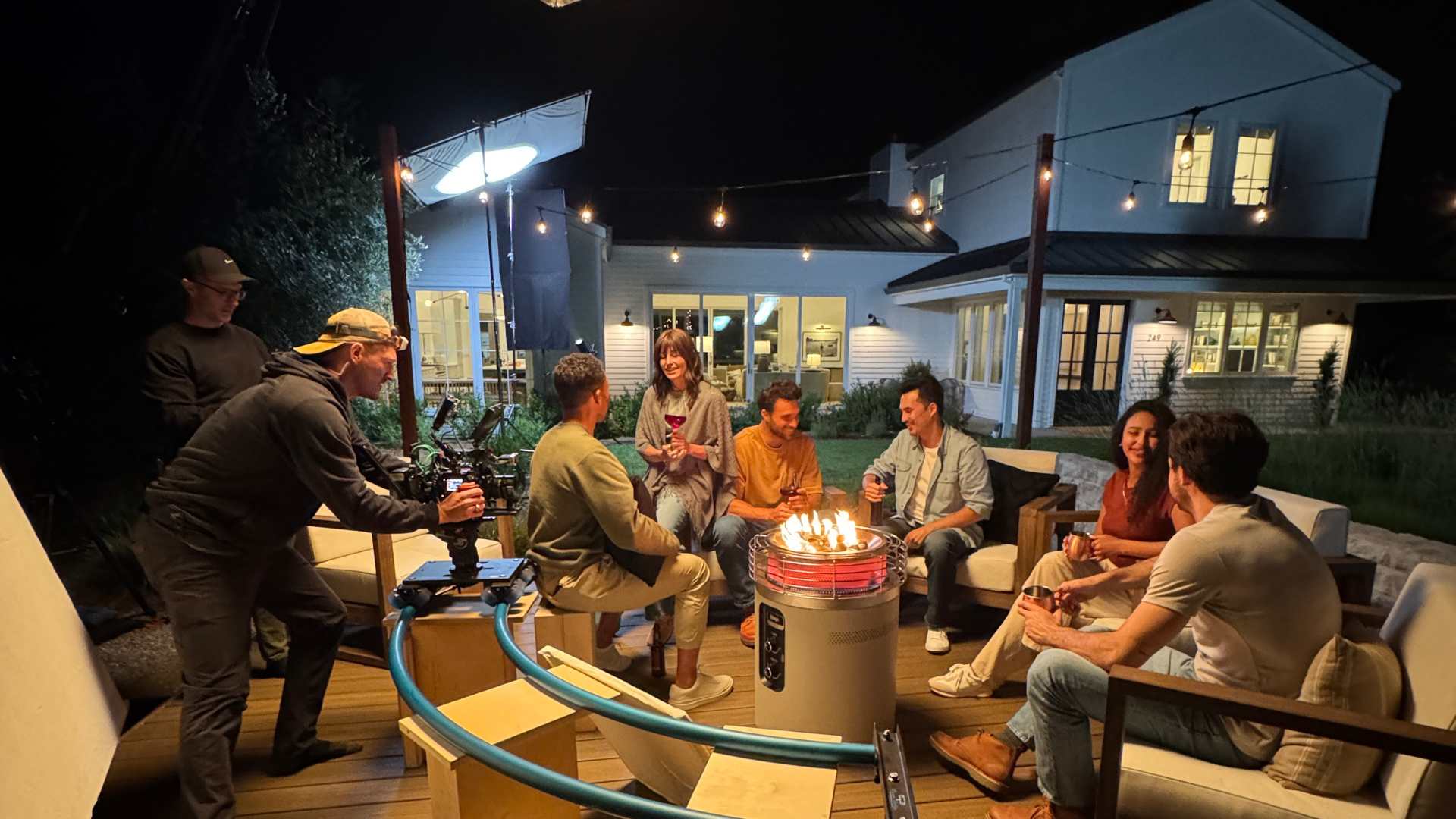
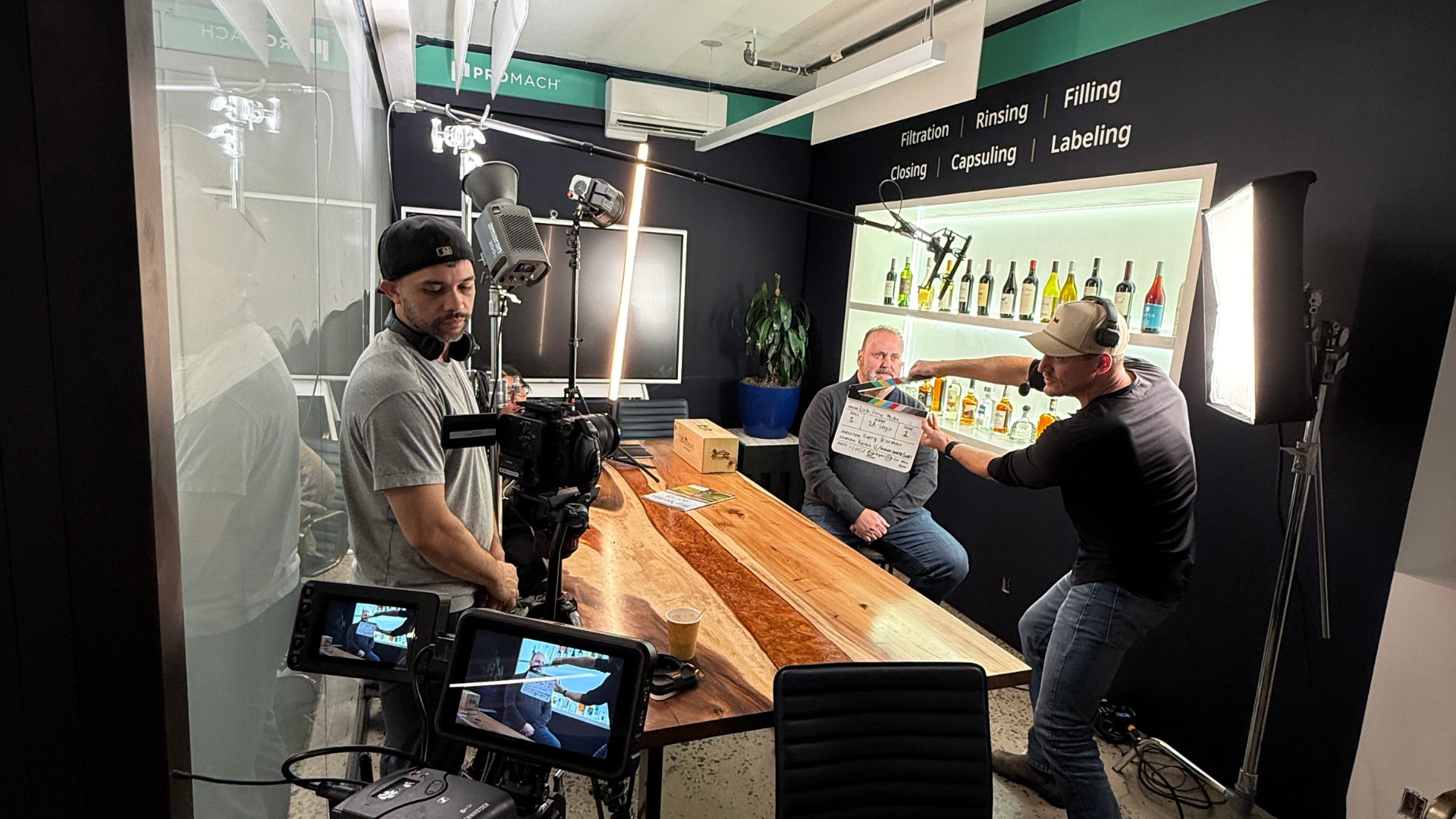
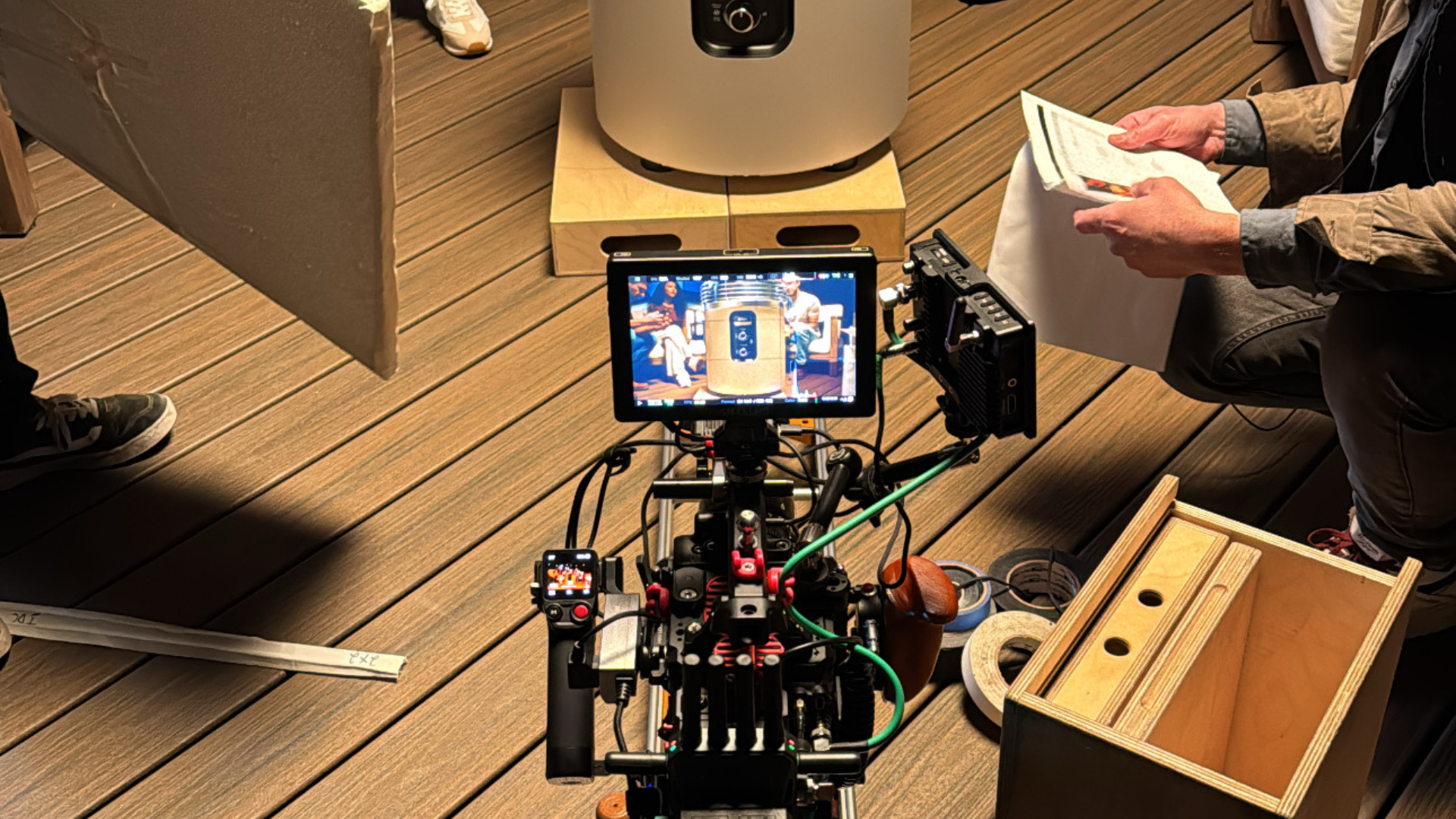
This is the shoot itself. For most marketing videos, this runs one to two days depending on scope. Because the pre-production work is done, the team arrives with a clear plan. Everyone knows what is being captured, in what order, and why. A well-run shoot day is efficient and calm, not chaotic.
5. Post-Production
Post-production is where most of the time lives, and it is the phase clients are most surprised by. Editing, color grading, sound design, music licensing, motion graphics, revisions, and final export all happen here. A rough rule of thumb: post-production takes roughly as long as everything before it combined. If your project took two weeks of discovery, pre-production, and shooting, expect at least two weeks of post. Editing is a significant creative undertaking, and it takes the time it takes.
The Phase Most People Never Account For: Editing
Of all the misconceptions we run into, this is the most common. Clients often assume the shoot is the big event and that editing is a relatively quick wrap-up step. It is not.
Editing is where the story gets built. Raw footage gets shaped into something that flows, feels right, and actually communicates your message. That process involves reviewing hours of footage, making thousands of small decisions, and iterating based on feedback. Add color grading, audio mixing, and graphics on top of that, and you begin to understand why this phase is as long as everything that came before it.
When clients understand this upfront, the timeline stops feeling slow and starts feeling reasonable.
What Slows a Project Down (And It Is Usually Not Us)
We will be direct about this because it matters. The most common reason a video project runs long is communication delays on the client side.
We ask our clients to provide feedback and revision notes within 24 hours. That is not an arbitrary rule. It is what keeps the project moving and keeps your video at the front of our team's focus. When feedback takes days or approval chains slow things down internally, the timeline stretches accordingly.
The same goes for all communication throughout the project. Prompt responses keep things moving. Delays compound quickly in a production schedule.
The timeline we give you assumes a responsive partnership. The faster you move, the faster we move.
We set these expectations at the start of every project, not because we want to put pressure on clients, but because a great working relationship requires both sides to show up. You will always know what we need from you and when.
What If You Have an Urgent Deadline?
Urgency happens. Events come up, opportunities appear, and sometimes a video is needed faster than the standard timeline allows. We get it, and we can often accommodate it.
But here is the honest truth: rushing a project costs more. Moving a client to the front of the schedule means bringing on additional resources, which is an investment we pass on fairly. We will never compromise the quality or timeline of work we are already doing for existing clients in order to accommodate a last-minute request. Every client on our roster deserves the same level of care and attention.
If you have a hard deadline, tell us upfront. We will tell you honestly whether it is achievable, what it will take, and what the investment looks like. What we will not do is promise something we cannot deliver.
A Simple Timeline Summary
Every project is different, but here is what a typical marketing video looks like from start to finish:
- Discovery and Proposal: 3 to 5 days
- Pre-Production: 1 to 2 weeks, depending on complexity
- Production: 1 to 2 shoot days
- Post-Production: 1 to 2 weeks
- Total: 4 to 6 weeks from Discovery to Delivery
Larger or more complex projects will take longer. The best thing you can do is start the conversation early, come in with a clear goal, and stay responsive throughout. That combination gives you the best possible video in the shortest realistic time.
Let’s work
Together
Looking for a team to help fulfill your media needs? Reach out below to get a free quote.

More posts


Why Pre-Production is Your Secret Weapon in Video Production
Hey folks! Let's talk about something super important but often overlooked in video production: pre-production. Believe it or not, this early stage is where the magic of planning transforms your project from good to great.

Videography vs Video Production: What's the Difference and Which Do You Need?
It's easy to get tangled up in industry jargon like videography and video production. While they may seem similar, understanding the differences between these terms is crucial when planning your next project. Let’s demystify these concepts to help you make an informed decision on what you really need.
